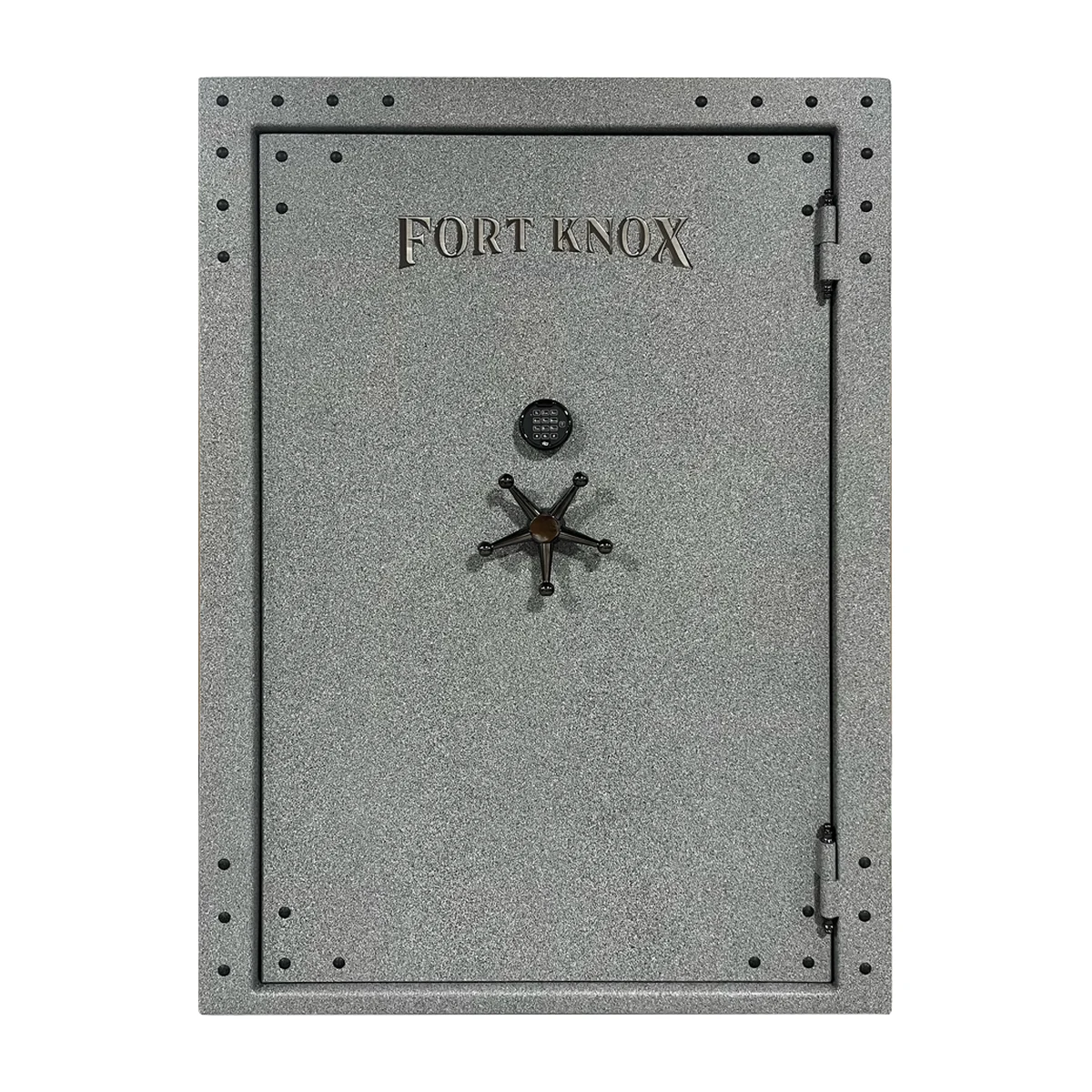
Is the Fort Knox Maverick worth buying?
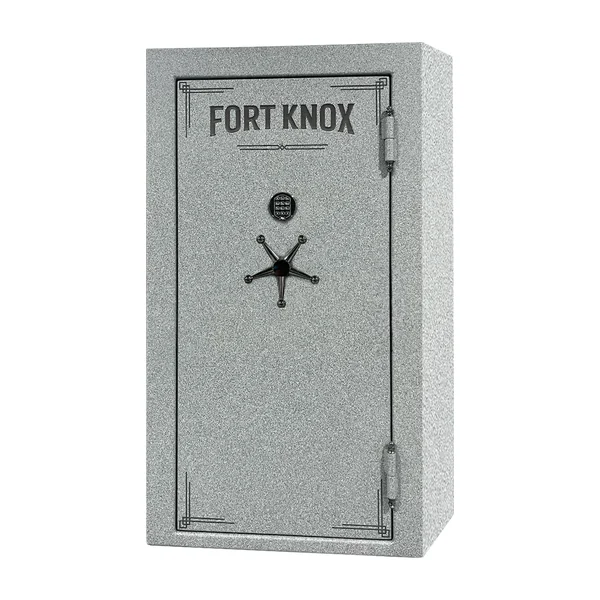
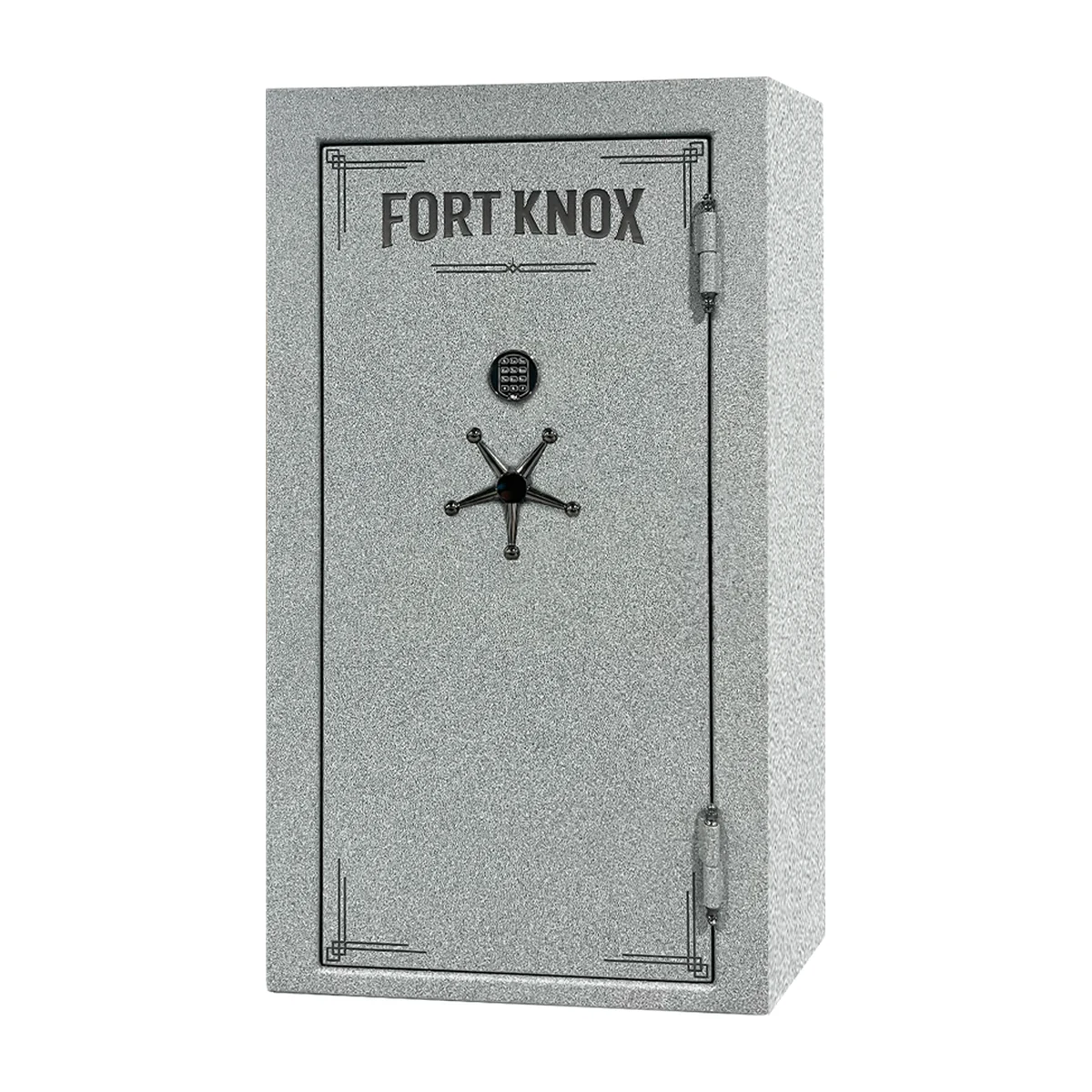
The Maverick has the best raw materials of any full-size safe we compare: a 10-gauge body, 3/8 inch of steel at the door edge and a fire rating Fort Knox quotes as "1,600°F in 1.5 hours". It is American-made, built to order and backed by a lifetime warranty. So why does it score 7.9/10? Because our formula only counts what a page puts in writing, and the Maverick's page leaves the lock, the weight, the dimensions and any UL or California DOJ statement to the Build & Price tool or to a dealer. At a starting price of $2,759, it is also the dearest safe here. Read this score as "unanswered questions", not as "weak safe".
Buy it if
- Steel thickness is your first criterion and you want it without paying for an upgrade
- You want to choose the size, the lock and the interior yourself
- You have a Fort Knox dealer nearby to quote, deliver and install
Skip it if
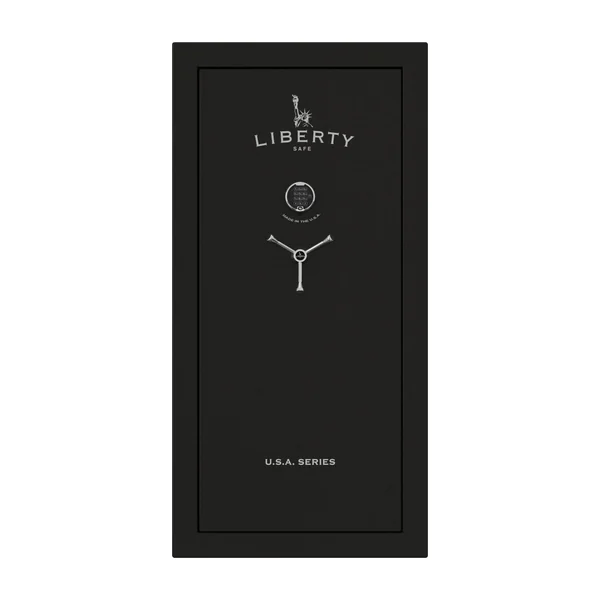
- You want a fixed price and a cart: the Liberty USA 30 is $1,969 with every spec on the page
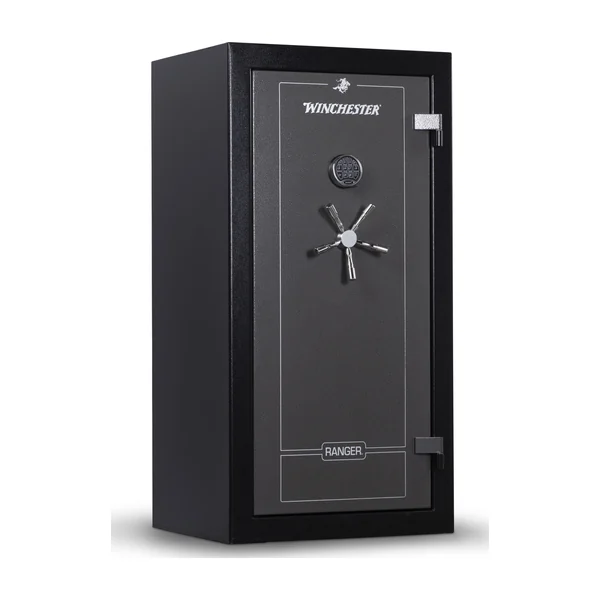
- You need a UL RSC line in writing today: the Winchester Ranger 26 prints it
Why does the best-built safe score the lowest of the full-size ones?
It is the honest result of a rule we apply to everyone: a criterion with nothing published scores low. The Maverick earns top marks for steel and fire, then gives up points on three lines its page doesn't answer: which lock (you pick it in the builder), which approvals (none stated) and what a return looks like (not stated). Add the highest starting price of the list and you get 7.9/10.
If a dealer confirms a UL-listed lock on your build, the picture improves in real life even if our number can't follow. Liberty USA 30 vs Fort Knox Maverick sets the two side by side, and it is one of the match-ups buyers search for most.
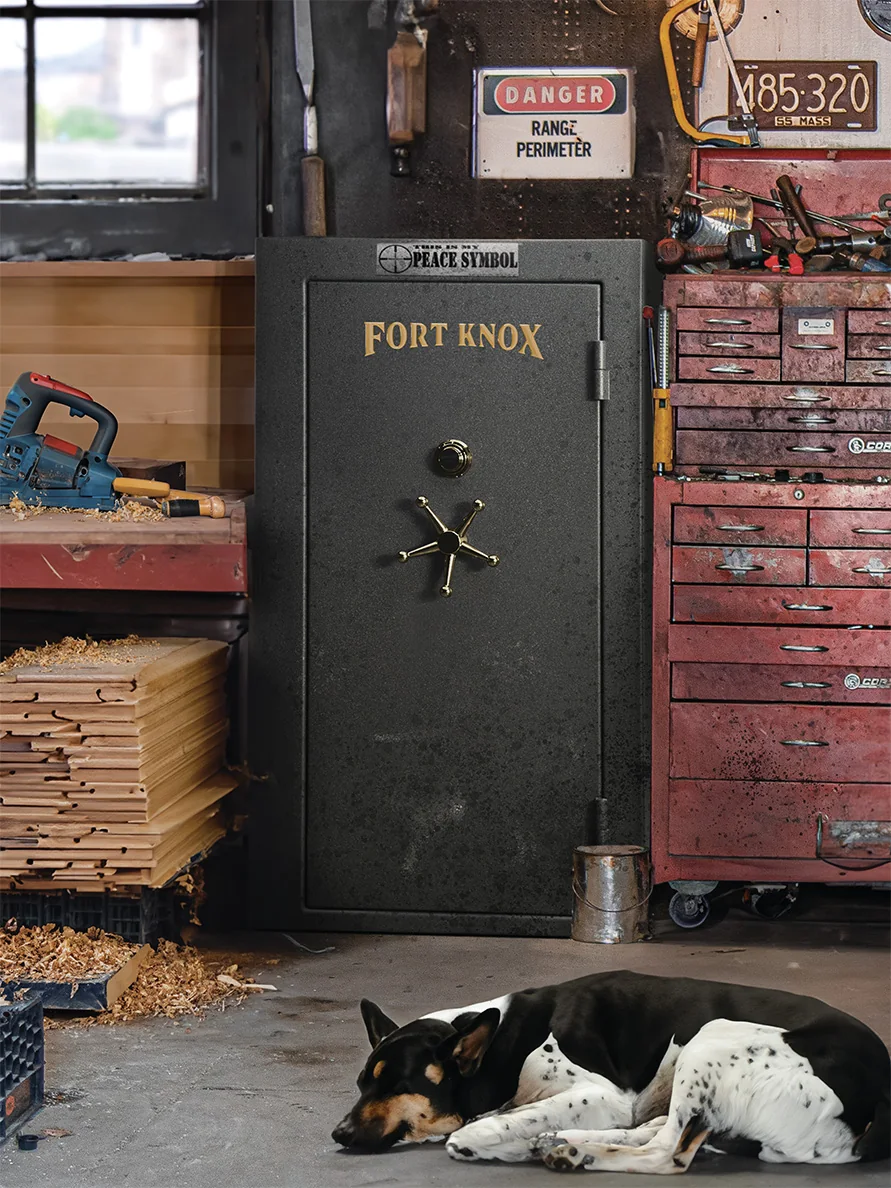
How strong is 10-gauge steel compared with 12-gauge?
Gauge runs backwards: the lower the number, the thicker the sheet. Twelve-gauge is about 2.7 mm; 10-gauge is about 3.4 mm, roughly a quarter more metal in every wall. California's construction standard for a single-walled gun safe starts at 12-gauge, so the Maverick clears that line with room to spare.
Fort Knox also sells its way upward from there: a 10-gauge stainless or carbon steel liner, or a 7-gauge AR500 liner it calls ArmaKnox. Each is a paid upgrade. One limit to know: the page says the reinforced fire liner is not available on the Maverick.
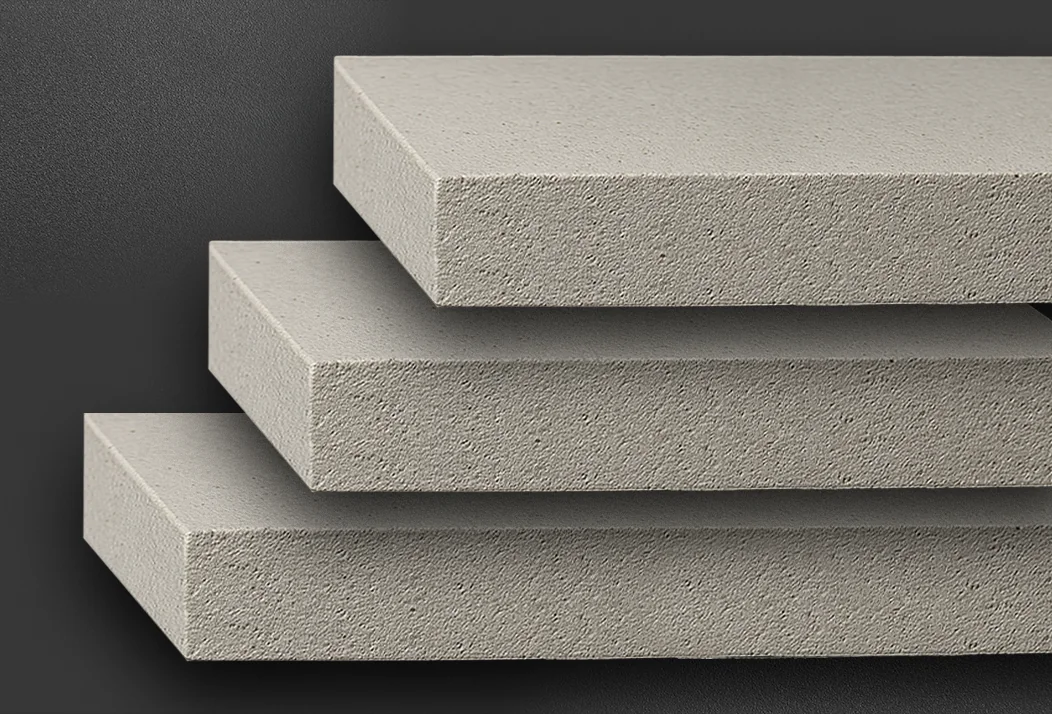
What does "1,600°F in 1.5 hours" mean?
It is the longest test at the highest temperature on our list. Fort Knox says its ratings come from "an intense house fire simulation following UL72 standards", with nine sensors inside the safe. That is the brand describing its own method, not a certificate from a lab, and we quote it as such.
Still, 90 minutes at 1,600°F is a harder ask than 95 minutes at 1,200°F, which is what Browning quotes. Our gun safe fire rating guide explains why minutes mean little without the temperature beside them. The Maverick sits No. 5 of 7 in the fireproof gun safe ranking.
Video: "Meet the Fort Knox Maverick Safe", Fort Knox Inc on YouTube. Not made by us; chosen because it shows the safe or the topic clearly.
What's in the box?
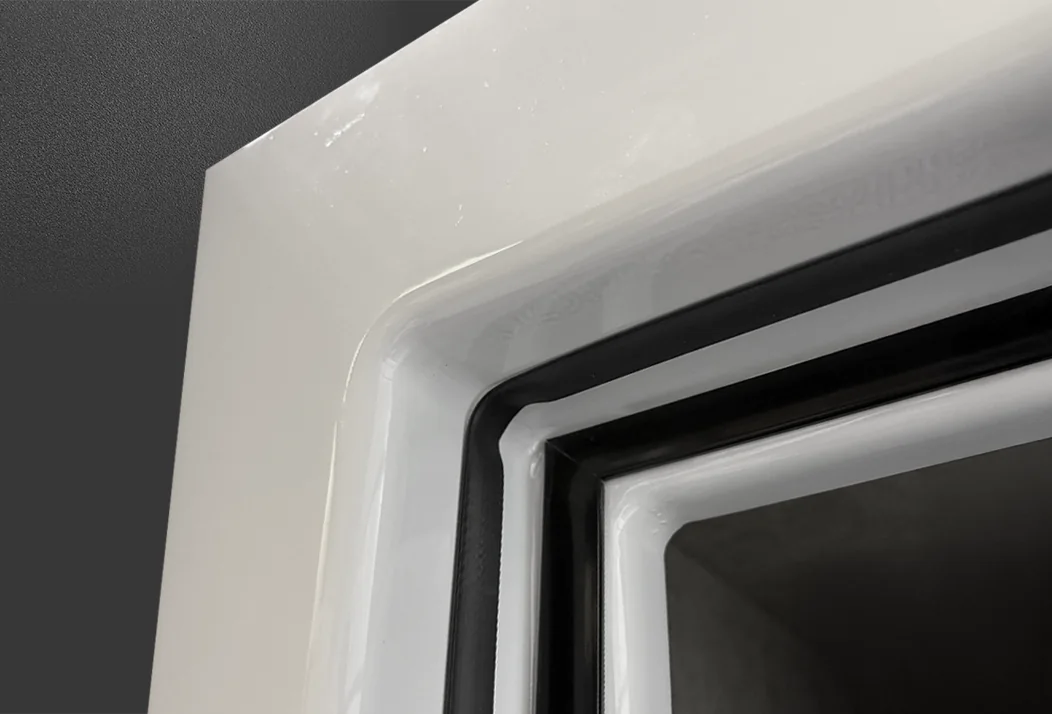
It depends on your build. Fort Knox draws ten Maverick sizes, from 4024 to 7261, and the lock, the interior and the finish are chosen in the Build & Price tool. The page lists the fireboard, a smoke and fire seal that expands at 212°F and a security plate as standard.
How do you set it up?
Start in the Build & Price tool or at a dealer, and get the weight and the outside dimensions of your size in writing before you plan the route into the house: the page did not give them per size when we read it. Have it bolted down on delivery. Then set the combination yourself and keep it away from children, as the American Academy of Pediatrics asks.
Storage laws differ from state to state: our guide to California DOJ approved gun safes shows what one state asks for. This is not legal advice.
What does it really cost?
Everything past the base: a larger size, the lock you choose, the finish, any liner upgrade, then freight and installation, usually through a dealer. Under the warranty, Fort Knox repairs or replaces a safe damaged by accident, flood or fire, and you pay the freight to the factory. Budget a dehumidifier and lighting as well.
What do we like, and what should you know?
- "10 GA body steel thickness": the thickest standard body among our full-size safes
- "Fire rating: 1,600°F in 1.5 hours", from a house-fire simulation Fort Knox says follows UL72
- 3/8 in of steel at the door edge and 9 to 11 locking bolts, depending on the size
- "American-made", with a lifetime warranty for the original purchaser, locks included
- Ten sizes and a list of upgrades, up to a 7-gauge AR500 liner
The catch: $2,759 is where the Build & Price tool starts, not what you will pay: size, lock and finish all move the total, and the tool would not open for us on the day we checked. The page states no UL listing and no California DOJ line, so the approvals criterion scores as unstated. The warranty also asks you to pay the freight to the factory if the safe needs repair.